Art as a form of presence
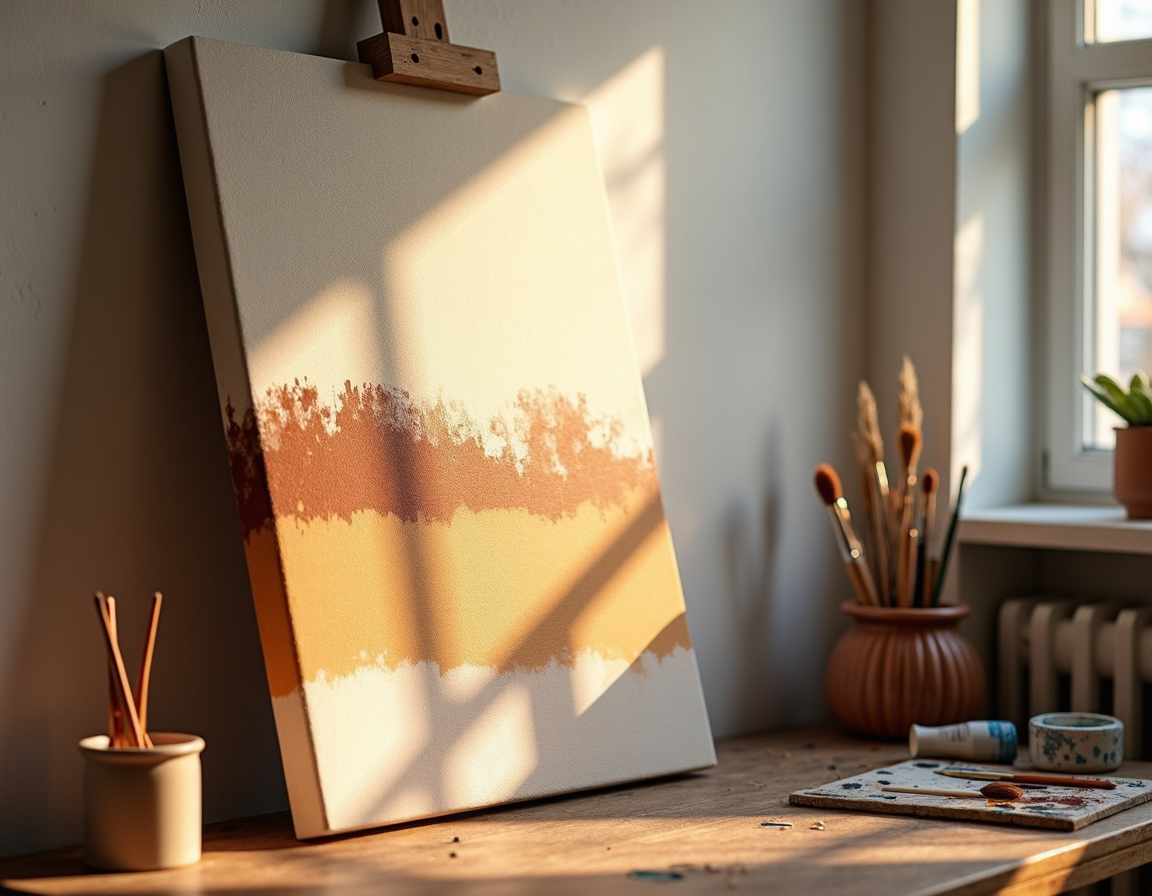
Art isn’t escape — it’s presence. The gesture that says “I’m here”, even in silence.

Where the gesture remains, even after you leave.
“Art does not reproduce the visible; it makes it visible.” — Paul Klee
Some people paint to escape.
I paint to stay.
Art, deep down, is a form of presence — not representation.
It’s the gesture that says, “I’m here”, even when words fail.
When you paint, write, or sculpt, you’re suspending time.
Not to run away from the world, but to touch it differently — through your hands, your gaze, your silence.
Art doesn’t solve anything.
But it gives shape to what we feel, and sometimes, that’s enough.
Being present isn’t just being somewhere.
It’s being whole in the moment — body, breath, color.
And art might be the last place where that’s still possible.
👉 Café conclusion: to create is to say “I’m still here”, even when everything else goes quiet.

When painting asks for silence
When painting asks for silence, gesture learns to listen before it speaks.
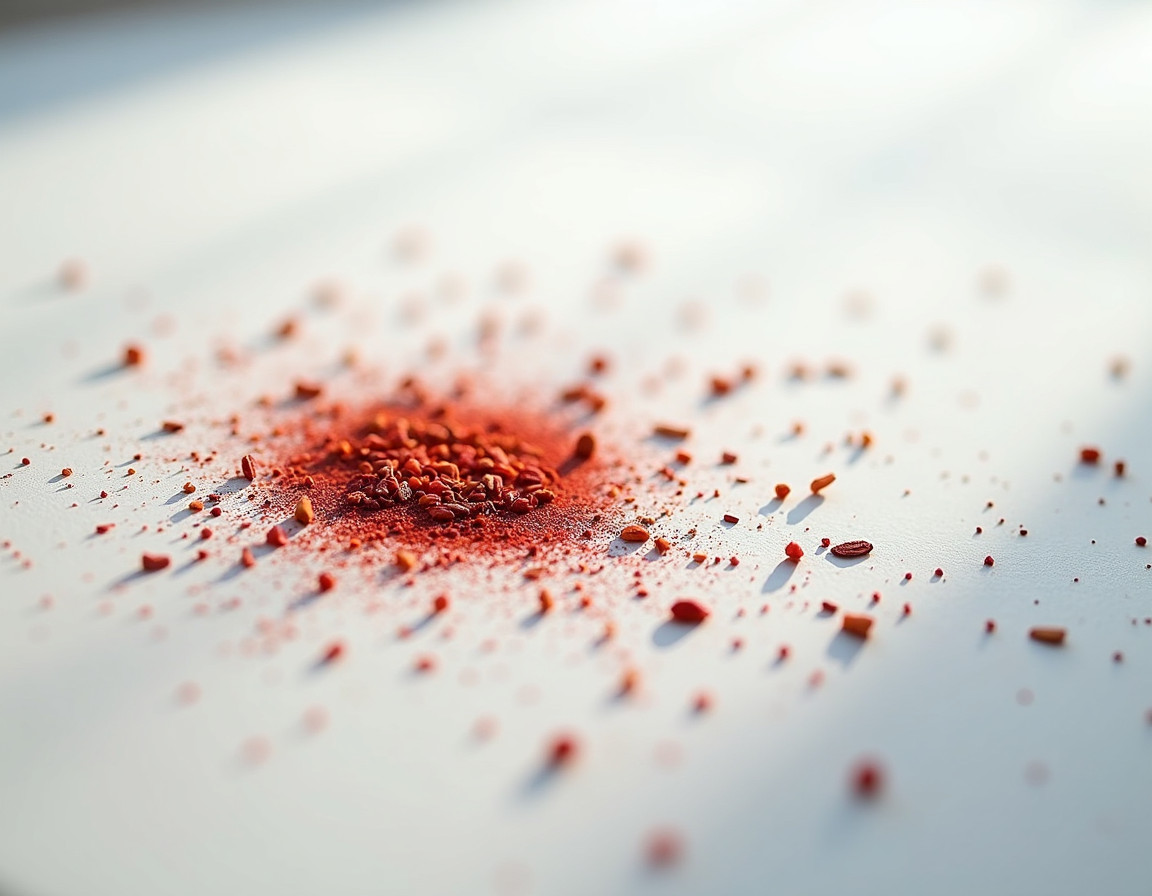
Silence has color too.
“There’s a moment before every gesture — that’s where painting breathes.” — HMad
Some days, the studio asks for silence.
Not the comfortable kind, but the heavy one — the silence that forces you to stop.
The city’s noise stays outside, and even the brushes seem to wait for something you can’t name.
You open a tube of paint, but it’s not color you’re looking for — it’s the air between colors.
Painting sometimes asks for pause.
It wants time to listen to what you haven’t said yet.
And if you insist on rushing the gesture, it goes quiet.
There’s humility in accepting that silence.
Because, really, that’s where the work begins — before it exists, before it’s yours.
👉 Café conclusion: silence is a tool too — it just doesn’t fit in the paint box.

The power of emptiness in visual arts
Emptiness isn’t absence — it’s where art breathes.

Where silence becomes visible.
“Nothing is not a hole; it’s a field of possibilities.” — John Cage
Some people fear emptiness — the silence, the blank space, the pause.
But in visual arts, emptiness is anything but absence: it’s the place where the work breathes.
Malevich painted his White on White as if to say, “I no longer need anything for something to exist.”
Rothko immersed us in color fields that are really portals of silence.
And Agnes Martin proved that delicacy can be as radical as the most violent gesture.
Emptiness isn’t a lack of expression.
It’s the moment before the word, before the color — that fragile instant when the eye is still learning how to see.
In the end, emptiness is where everything begins.
Without it, gesture has nowhere to land, and thought has nowhere to echo.
👉 Café conclusion: emptiness isn’t the opposite of art — it’s its breath.